Introduction to ALUP
What it’s all about
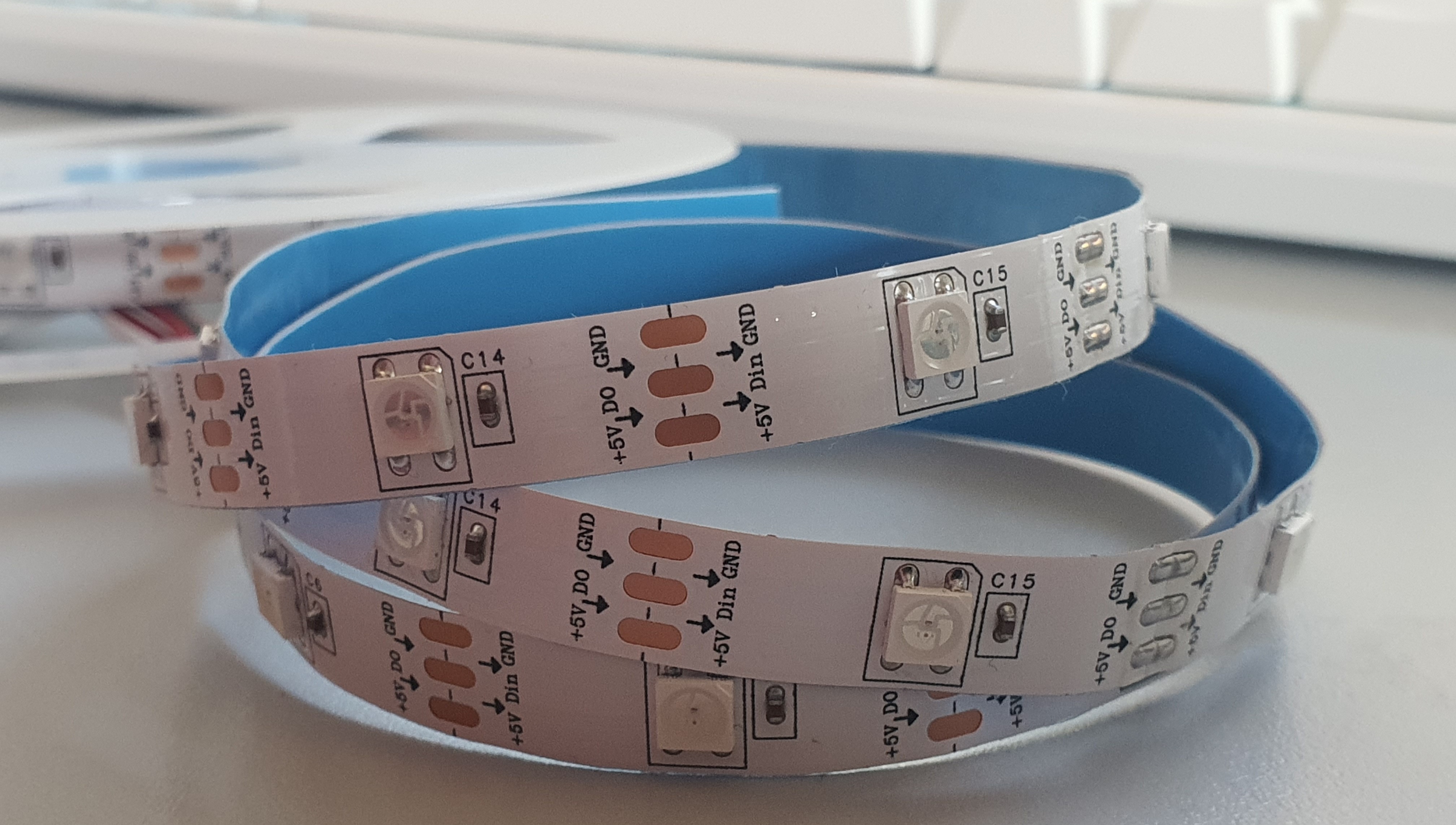
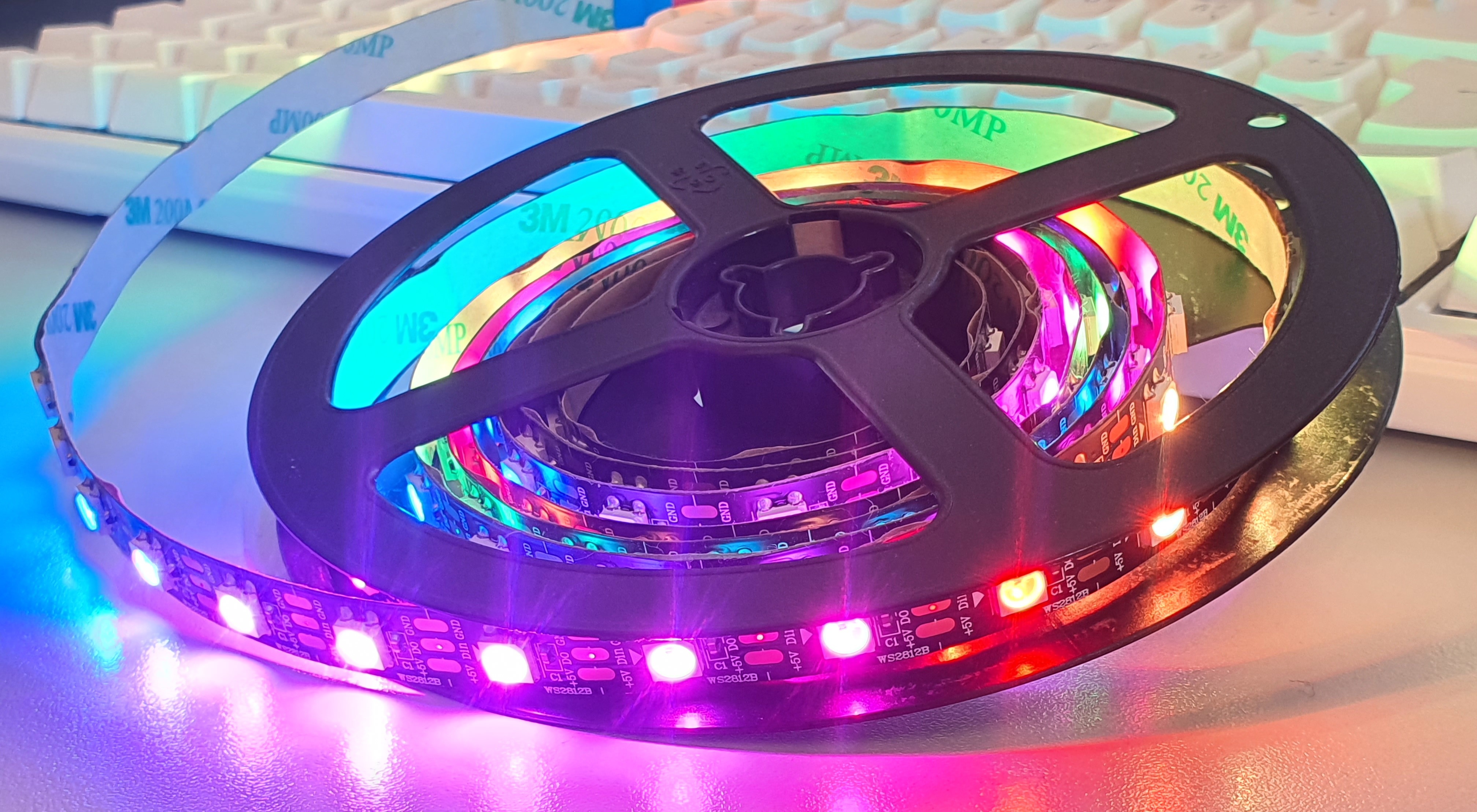
Many people know traditional LED strips, where you can change the color of all LEDs using a small Remote. For Addressable LED strips however, you get the possibility to change the color of every LED individually. To control the color of each LED however, one often either uses some kind of Controller which only has some preprogrammed patterns, or a microcontroller which needs to be programmed manually and is limited in its performance and features.
But what if I want to do MORE than this?
What if I would like to use the computational power, connectivity and flexibility of a PC, Laptop, or other device?
This is where ALUP comes in. ALUP builds the bridge between the LEDs and a powerful Computer by using a Microcontroller to “translate” instructions Between Computer and LEDs.
More Specifically, it defines how the Computer and the Microcontroller have to communicate in order to successfully transfer commands directly to the LEDs.
This makes it possible for the computer to “tell” the LED strip things like:
- “I want LED 5 to be Red”
- “Make all LEDs go dark”
- “The LEDs 5, 6 and 9 should switch to green in 1 second from now”
By making this kind of communication possible, a whole new world of possibilities opens up. Users can now use the power of their computer for example to:
- Create complex music visualization with lots of audio processing
- Synchronize multiple LED-Strips to show the same things at exactly the same time
- Light up their room depending on images shown on their computer screen
- Create light shows based on music videos and so much more.
Where to learn more
If you are interested in this project, I suggest checking out more posts here:
Also make sure to check out my GitHub, where all the code and documentation is hosted.
GitHub Projects
- ALUP-Protocol Definition - Textual definition of the ALUP Communication Protocol itself
- Python-ALUP - Python Reference Implementation for an ALUP Sender
- Arduino-ALUP - Reference Implementation for an ALUP Receiver using the Arduino Framework
- ALUP-Controller - Feature-Rich Command Line tool for interacting with an ALUP-Receiver
- ALUP-Lightshow - Create time stamp-based light shows using ALUP
- Audio-Visualizer - Python-Based Audio Visualizer for Addressable LEDs on Raspberry Pi using CAVA